
ENGLISH LAB · B2|公共服務與決策|原創閱讀
🎧 建議使用電腦版 Chrome 聆聽;手機版文字反白朗讀可能不支援。
Reading|英文閱讀
English Reading|英文朗讀
準備就緒
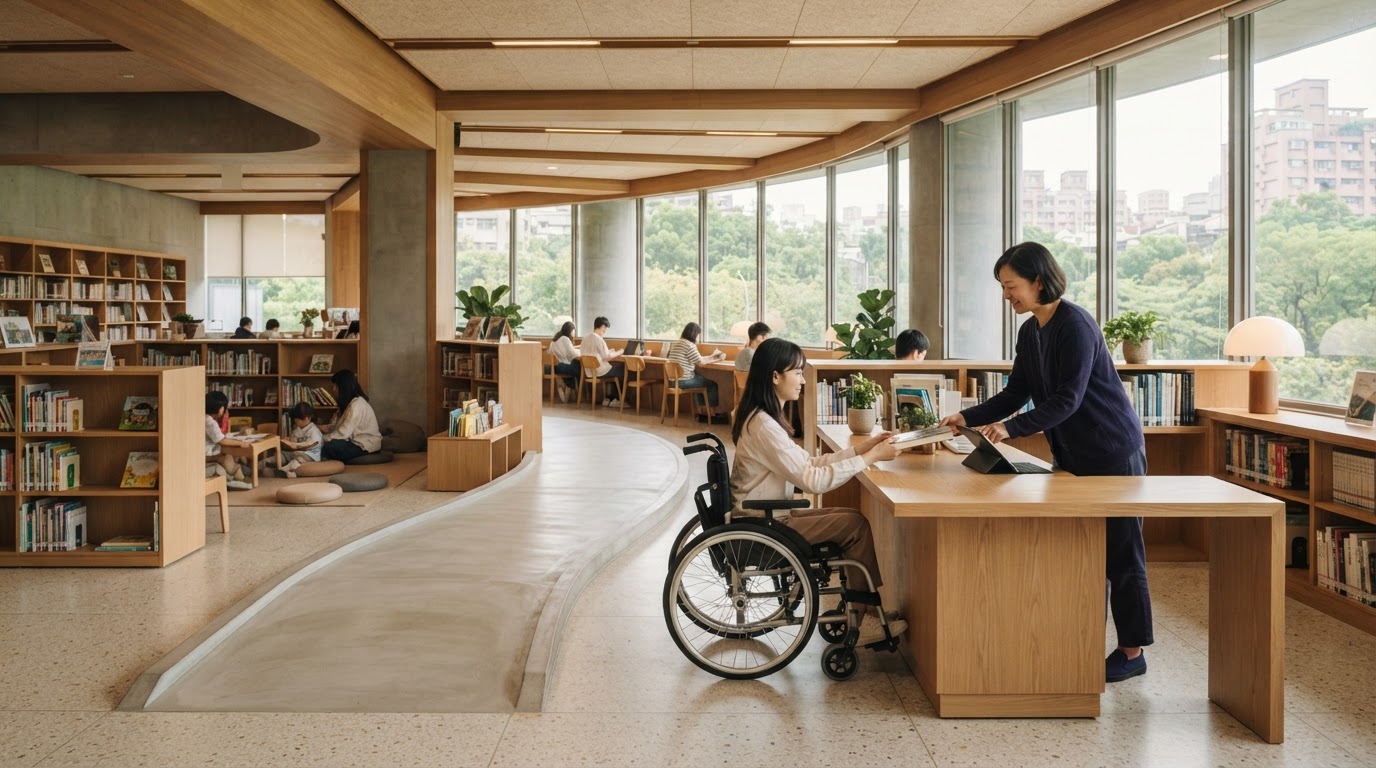
A city library recently faced a difficult choice: should it extend its opening hours or spend the same money improving its online services? The question sounded simple, but the staff soon discovered that different visitors needed very different things.
Students wanted a quiet place to study after school. Older residents valued face-to-face help with government forms. Parents hoped for weekend activities, while people working night shifts needed access at unusual hours. A single survey asking whether visitors preferred longer hours could not capture these differences.
The library team decided to collect several kinds of evidence. They counted visitors at different times, examined requests for assistance and invited people who rarely used the library to explain why. The last group was especially important: people who cannot visit are often missing from visitor statistics.
At first, the online service appeared cheaper because it could reach many users without adding staff at the front desk. However, its estimated cost did not include training, maintenance or support for people unfamiliar with technology. Comparing only the initial price would therefore have been misleading.
Instead of making a permanent decision immediately, the team proposed a short trial. For six weeks, the library would open later on two evenings and offer guided online appointments on other days. Staff would record not only how many people participated but also whether their problems were actually solved.
The trial also needed a fair comparison. A busy evening might attract more students simply because examinations were approaching. A technical problem could temporarily reduce online attendance. Without noting these conditions, managers might mistake a short-term change for a lasting preference.
After the trial, the team planned to publish the results in plain language. It would explain the number of people served, the cost per successful request and the groups that remained difficult to reach. Residents could then challenge the assumptions before the city committed its budget.
The lesson goes beyond libraries. Good decisions require clear goals, several sources of evidence and a willingness to revise an attractive idea. A service is not successful merely because many people click on it; success depends on whether it meets the needs it was designed to address.
逐段重聽
A city library recently faced a difficult choice: should it extend its opening hours or spend the same money improving its online services? The question sounded simple, but the staff soon discovered that different visitors needed very different things.
Students wanted a quiet place to study after school. Older residents valued face-to-face help with government forms. Parents hoped for weekend activities, while people working night shifts needed access at unusual hours. A single survey asking whether visitors preferred longer hours could not capture these differences.
The library team decided to collect several kinds of evidence. They counted visitors at different times, examined requests for assistance and invited people who rarely used the library to explain why. The last group was especially important: people who cannot visit are often missing from visitor statistics.
At first, the online service appeared cheaper because it could reach many users without adding staff at the front desk. However, its estimated cost did not include training, maintenance or support for people unfamiliar with technology. Comparing only the initial price would therefore have been misleading.
Instead of making a permanent decision immediately, the team proposed a short trial. For six weeks, the library would open later on two evenings and offer guided online appointments on other days. Staff would record not only how many people participated but also whether their problems were actually solved.
The trial also needed a fair comparison. A busy evening might attract more students simply because examinations were approaching. A technical problem could temporarily reduce online attendance. Without noting these conditions, managers might mistake a short-term change for a lasting preference.
After the trial, the team planned to publish the results in plain language. It would explain the number of people served, the cost per successful request and the groups that remained difficult to reach. Residents could then challenge the assumptions before the city committed its budget.
The lesson goes beyond libraries. Good decisions require clear goals, several sources of evidence and a willingness to revise an attractive idea. A service is not successful merely because many people click on it; success depends on whether it meets the needs it was designed to address.

中文翻譯顯示方式
完整繁體中文翻譯
某座城市的圖書館最近面臨艱難選擇:應延長開放時間,還是把相同預算用於改善線上服務?問題看似簡單,但館員很快發現,不同讀者的需求差異很大。
學生希望放學後有安靜的讀書空間;年長居民重視有人當面協助填寫政府表格;家長期待週末活動;輪班工作者則需要非一般時段的服務。只問讀者是否偏好延長開館的單一問卷,無法呈現這些差異。
圖書館團隊決定蒐集多種證據。他們統計不同時段的人流、檢視協助需求,並邀請很少使用圖書館的人說明原因。最後一群人尤其重要:無法到訪者往往不會出現在到館統計中。
起初,線上服務似乎比較便宜,因為不必增加櫃檯人力就能服務許多人。然而,估算成本未包含訓練、維護,以及協助不熟悉科技的民眾。若只比較初期價格,就會造成誤導。
團隊沒有立刻做出永久決定,而是提出短期試辦。六週內,圖書館每週兩晚延後關門,其他日子提供有人引導的線上預約服務。館員不只記錄參與人數,也會追蹤問題是否真正解決。
試辦也需要公平比較。某個晚上人潮較多,可能只是考試將近;技術問題則可能暫時降低線上參與。若不記錄這些條件,管理者可能把短期變化誤認為長期偏好。
試辦結束後,團隊計畫以白話公布成果,包括服務人數、每件成功處理需求的成本,以及仍難以接觸的族群。如此一來,居民就能在市府正式投入預算前,質疑其中的假設。
這個教訓不只適用於圖書館。好的決策需要明確目標、多種證據來源,以及願意修正看似吸引人的構想。服務不會只因為點擊人數多就算成功;成功取決於它是否滿足原本想解決的需求。

Vocabulary|核心詞彙
1. extend — 延長
2. face-to-face — 面對面的
3. capture — 完整呈現
4. evidence — 證據
5. assistance — 協助
6. statistics — 統計資料
7. estimated — 估計的
8. maintenance — 維護
9. misleading — 具誤導性的
10. trial — 試辦
11. participate — 參與
12. comparison — 比較
13. temporarily — 暫時地
14. assumption — 假設
15. revise — 修正
Language Focus|英文句型
instead of + V-ing:提出替代方案,例如 instead of making a permanent decision(不立即做永久決定)。
not merely because:表示不能只憑單一理由,例如 A service is not successful merely because many people click on it(不能只因點擊多就視為成功)。
Reading Check|互動閱讀理解
四題作答完畢後提交,可查看分數、正確答案及解析。
本課為原創圖書館預算情境教材;本文插圖由 AI 生成,不代表特定圖書館的實況。
發佈留言