
ENGLISH LAB · B2|新聞啟發閱讀|AI 與電子廢棄物|建議使用電腦 Chrome 聆聽
Learning Goals|學習目標
學習區分新聞提出的問題與已證實的結論,掌握電子設備維修、再利用、回收相關英文。
English Reading|英文朗讀
建議使用電腦版 Chrome;語音支援依瀏覽器而定。
準備就緒
Artificial intelligence can feel almost weightless. A question appears on a screen, and an answer arrives seconds later. Yet every response depends on physical equipment: computers, cables, cooling systems and buildings. When that equipment becomes outdated, someone must decide whether to repair it, reuse it or throw it away. The environmental story of AI therefore continues long after a device has stopped working.
A BBC Tech Life episode released on 31 March 2026 raised the question of whether the growth of AI is also increasing electronic waste. The question matters because demand for computing power can encourage organisations to replace equipment more frequently. However, a growing market does not by itself prove how much waste has been created. To answer that, researchers need reliable information about purchases, equipment lifetimes and disposal.
Consider a company that replaces a group of servers. The new machines might perform more calculations while using less electricity for each task. That sounds like an improvement, but it is only part of the picture. Producing the replacement machines requires materials, manufacturing and transport. The older servers may still be useful for less demanding work, so their final destination changes the overall result.
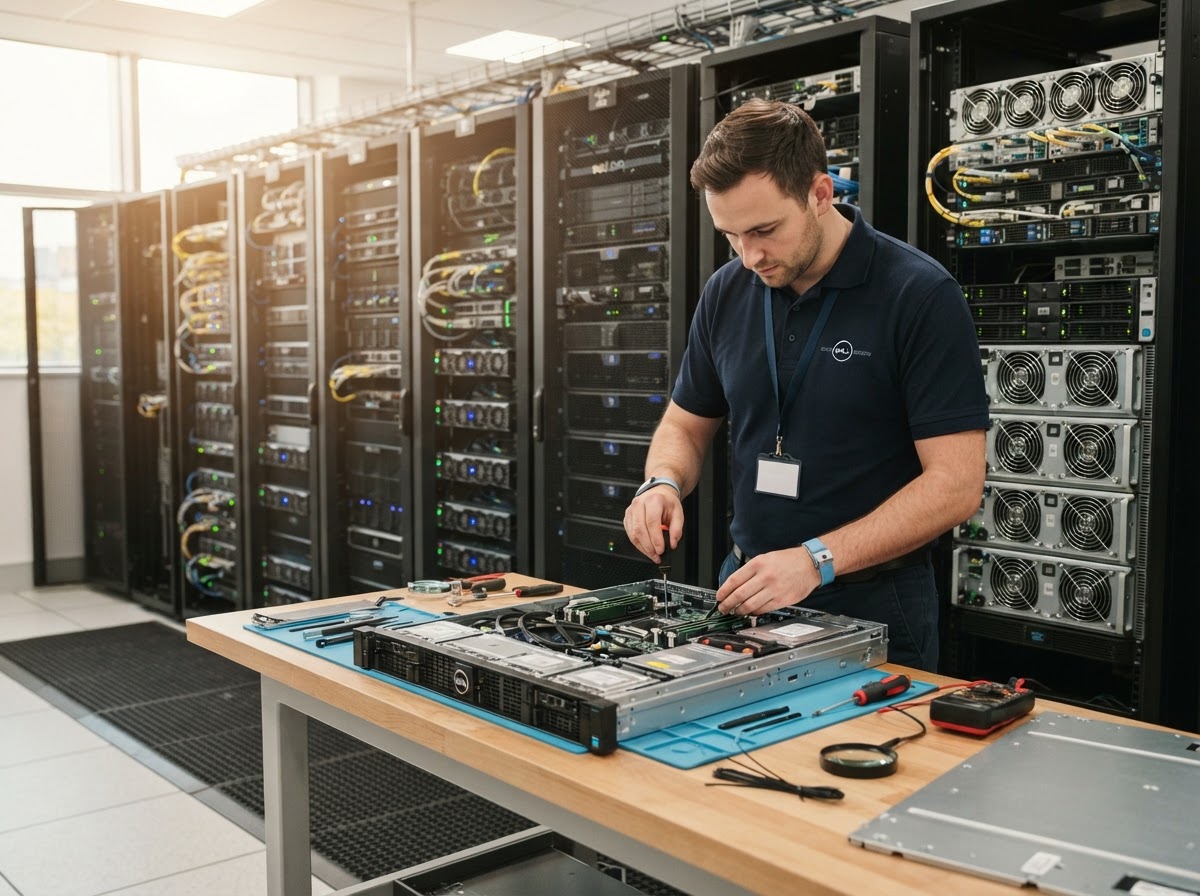
Repair is one option, although it is not always simple. A failed fan or power supply might be replaced without discarding the entire machine. On the other hand, some components may be difficult to obtain, or repairing an old device may cost more than expected. A sensible decision compares repair costs, safety, performance and the expected remaining life rather than treating repair as automatically best.
Reuse can also extend a machine's useful life. Equipment that is too slow for a large AI system may still support a school, a small business or a research project. Before transferring it, the owner must remove confidential information and check that the receiving organisation can operate it safely. Reuse without proper support may simply move the waste problem to another community.
When equipment truly reaches the end of its life, recycling becomes important. Electronics contain valuable materials, but recovering them requires appropriate facilities and careful handling. Sending devices to an unknown buyer does not guarantee responsible recycling. Organisations should ask for records showing where the equipment went, what was recovered and how hazardous parts were treated.
Readers should also question dramatic claims about AI and waste. Does a report measure the number of devices, their total weight or the amount of material recovered? Does it examine one company or an entire industry? Does it separate equipment replaced because of AI from equipment that would have been replaced anyway? Different answers can produce very different headlines.
The most useful conclusion is not that digital technology must stop growing. It is that its physical costs should be measured alongside its benefits. Longer equipment lifetimes, careful purchasing, secure reuse and traceable recycling can all help. Before celebrating a faster computer, it is worth asking what happened to the previous one—and whether anyone can prove the answer.
逐段朗讀練習
人工智慧看起來幾乎沒有重量。螢幕上出現一個問題,幾秒後就有答案。然而,每一次回應都依賴實體設備,包括電腦、線材、冷卻系統與建築物。當設備過時,總得有人決定要維修、再利用,還是丟棄。因此,AI 的環境影響並不會在設備停止運作時結束。
BBC《Tech Life》在 2026 年 3 月 31 日播出的節目提出一個問題:AI 成長是否也讓電子廢棄物增加?這個問題很重要,因為運算需求可能促使組織更頻繁地更換設備。不過,市場成長本身無法證明實際產生多少廢棄物。要回答這個問題,研究者需要可靠的採購、設備使用年限及處置資料。
想像一家公司更換一批伺服器。新機器可能以較少的每次運算用電量完成更多計算。這聽起來是進步,但只呈現部分情況。製造替代設備需要材料、生產與運輸。舊伺服器可能仍適合負擔較輕的工作,因此它們最後去了哪裡,會改變整體評估結果。
維修是一種選擇,卻不一定簡單。損壞的風扇或電源供應器可能可以單獨更換,不必丟掉整台機器。另一方面,有些零件難以取得,維修老舊設備的成本也可能高於預期。合理的決策應比較維修費用、安全性、效能與預期剩餘壽命,而非認定維修一定最好。
再利用也能延長機器的有效壽命。對大型 AI 系統而言太慢的設備,可能仍可支援學校、小型企業或研究專案。轉移設備前,原持有人必須清除機密資訊,並確認接收單位能安全操作。若沒有適當支援,再利用可能只是把廢棄物問題轉移到另一個社區。
當設備真的達到使用壽命終點,回收便十分重要。電子產品含有珍貴材料,但回收需要適當設施與謹慎處理。將設備賣給不明買家,不代表它一定會被負責任地回收。組織應要求紀錄,確認設備流向、回收了哪些材料,以及有害零件如何處理。
讀者也應質疑關於 AI 與廢棄物的驚人說法。報告衡量的是設備數量、總重量,還是回收材料的數量?研究範圍是一家公司,還是整個產業?它有沒有區分因 AI 而更換的設備,與原本就會汰換的設備?不同答案可能形成截然不同的新聞標題。
最有用的結論並不是數位科技必須停止成長,而是應把它的實體成本與效益一起衡量。延長設備壽命、謹慎採購、安全再利用及可追溯回收都有幫助。在慶祝新電腦速度更快之前,值得先問問上一台電腦去了哪裡,以及是否有人能提出證據。
Reading|英文閱讀
Artificial intelligence can feel almost weightless. A question appears on a screen, and an answer arrives seconds later. Yet every response depends on physical equipment: computers, cables, cooling systems and buildings. When that equipment becomes outdated, someone must decide whether to repair it, reuse it or throw it away. The environmental story of AI therefore continues long after a device has stopped working.
A BBC Tech Life episode released on 31 March 2026 raised the question of whether the growth of AI is also increasing electronic waste. The question matters because demand for computing power can encourage organisations to replace equipment more frequently. However, a growing market does not by itself prove how much waste has been created. To answer that, researchers need reliable information about purchases, equipment lifetimes and disposal.
Consider a company that replaces a group of servers. The new machines might perform more calculations while using less electricity for each task. That sounds like an improvement, but it is only part of the picture. Producing the replacement machines requires materials, manufacturing and transport. The older servers may still be useful for less demanding work, so their final destination changes the overall result.
Repair is one option, although it is not always simple. A failed fan or power supply might be replaced without discarding the entire machine. On the other hand, some components may be difficult to obtain, or repairing an old device may cost more than expected. A sensible decision compares repair costs, safety, performance and the expected remaining life rather than treating repair as automatically best.
Reuse can also extend a machine's useful life. Equipment that is too slow for a large AI system may still support a school, a small business or a research project. Before transferring it, the owner must remove confidential information and check that the receiving organisation can operate it safely. Reuse without proper support may simply move the waste problem to another community.
When equipment truly reaches the end of its life, recycling becomes important. Electronics contain valuable materials, but recovering them requires appropriate facilities and careful handling. Sending devices to an unknown buyer does not guarantee responsible recycling. Organisations should ask for records showing where the equipment went, what was recovered and how hazardous parts were treated.
Readers should also question dramatic claims about AI and waste. Does a report measure the number of devices, their total weight or the amount of material recovered? Does it examine one company or an entire industry? Does it separate equipment replaced because of AI from equipment that would have been replaced anyway? Different answers can produce very different headlines.
The most useful conclusion is not that digital technology must stop growing. It is that its physical costs should be measured alongside its benefits. Longer equipment lifetimes, careful purchasing, secure reuse and traceable recycling can all help. Before celebrating a faster computer, it is worth asking what happened to the previous one—and whether anyone can prove the answer.

完整繁體中文翻譯
1. 人工智慧看起來幾乎沒有重量。螢幕上出現一個問題,幾秒後就有答案。然而,每一次回應都依賴實體設備,包括電腦、線材、冷卻系統與建築物。當設備過時,總得有人決定要維修、再利用,還是丟棄。因此,AI 的環境影響並不會在設備停止運作時結束。
2. BBC《Tech Life》在 2026 年 3 月 31 日播出的節目提出一個問題:AI 成長是否也讓電子廢棄物增加?這個問題很重要,因為運算需求可能促使組織更頻繁地更換設備。不過,市場成長本身無法證明實際產生多少廢棄物。要回答這個問題,研究者需要可靠的採購、設備使用年限及處置資料。
3. 想像一家公司更換一批伺服器。新機器可能以較少的每次運算用電量完成更多計算。這聽起來是進步,但只呈現部分情況。製造替代設備需要材料、生產與運輸。舊伺服器可能仍適合負擔較輕的工作,因此它們最後去了哪裡,會改變整體評估結果。
4. 維修是一種選擇,卻不一定簡單。損壞的風扇或電源供應器可能可以單獨更換,不必丟掉整台機器。另一方面,有些零件難以取得,維修老舊設備的成本也可能高於預期。合理的決策應比較維修費用、安全性、效能與預期剩餘壽命,而非認定維修一定最好。
5. 再利用也能延長機器的有效壽命。對大型 AI 系統而言太慢的設備,可能仍可支援學校、小型企業或研究專案。轉移設備前,原持有人必須清除機密資訊,並確認接收單位能安全操作。若沒有適當支援,再利用可能只是把廢棄物問題轉移到另一個社區。
6. 當設備真的達到使用壽命終點,回收便十分重要。電子產品含有珍貴材料,但回收需要適當設施與謹慎處理。將設備賣給不明買家,不代表它一定會被負責任地回收。組織應要求紀錄,確認設備流向、回收了哪些材料,以及有害零件如何處理。
7. 讀者也應質疑關於 AI 與廢棄物的驚人說法。報告衡量的是設備數量、總重量,還是回收材料的數量?研究範圍是一家公司,還是整個產業?它有沒有區分因 AI 而更換的設備,與原本就會汰換的設備?不同答案可能形成截然不同的新聞標題。
8. 最有用的結論並不是數位科技必須停止成長,而是應把它的實體成本與效益一起衡量。延長設備壽命、謹慎採購、安全再利用及可追溯回收都有幫助。在慶祝新電腦速度更快之前,值得先問問上一台電腦去了哪裡,以及是否有人能提出證據。

Vocabulary|核心詞彙
— 設備
— 過時的
— 電子廢棄物
— 運算能力
— 使用壽命
— 處置
— 製造
— 零組件
— 要求高的
— 機密的
— 有害的
— 回收取得
— 可追溯的
— 可靠的
— 更換
Language Focus|語言觀察
whether to+動詞 列出尚待決定的做法。例:Engineers must decide whether to repair or replace the server. 工程師需要決定是否維修或更換伺服器。
once+子句 連接完成某事以後才發生的下一步。例:Once the data has been removed, the machine can be reused. 資料清除後,設備便可再利用。
Interactive Quiz|互動測驗
Writing Challenge|寫作練習
Write 80–100 words recommending what a school should do with its old computers. Explain what would make repair, reuse or recycling the best option.
Source|新聞來源
BBC World Service《Tech Life》〈Putting polluters in court〉,發布日期 2026-03-31,原始節目頁面。節目介紹包含「AI 成長是否帶動電子廢棄物」的討論。本篇為原創英文教學文章,案例與分析為教學推論,並非節目逐字翻譯,也不代表 BBC 已證實 AI 廢棄物增加。
圖片來源:本站 AI 生成教材示意圖,非 BBC 新聞現場照片。
發佈留言