
🔊 English Reading|英文朗讀
建議使用電腦版 Chrome;播放再次點選為停止,重播從頭開始。
準備就緒
A headline can travel around the world in minutes, but the evidence behind it often moves much more slowly. Readers may see a dramatic number, a striking photograph, or a confident prediction before they know who collected the information. This difference matters because speed can make an early report feel more certain than it really is.
Consider a report about a new technology that promises to save energy. The announcement may describe impressive results from a laboratory test. However, a laboratory is not the same as a busy factory, a school, or a home. The technology might require expensive equipment, special conditions, or materials that are difficult to obtain. A useful reader asks where the test happened and whether its results can be repeated.
Numbers also need a clear comparison. If a company says that its product is thirty percent more efficient, the reader should ask: more efficient than what? A percentage without a starting point can hide important differences. Saving thirty percent of a small amount of electricity may have a different practical value from saving ten percent of a very large amount.
Another challenge is the difference between a possibility and a confirmed outcome. Scientists may say that a new method could reduce pollution. This does not mean that pollution has already fallen. Similarly, a government may announce plans to build a railway, but an announcement is not a completed railway. Words such as may, could, expects, and plans help readers understand the stage of a claim.
Good reporting should make uncertainty visible rather than pretend it does not exist. A careful article identifies the source of a claim, explains the limits of the evidence, and separates direct observations from predictions. These details do not make the story weaker. They give the audience a better chance to judge what is known and what still needs testing.
Photographs deserve similar attention. An image can show that something happened at one place and time, but it cannot automatically prove a larger trend. A picture of a flooded street, for example, does not by itself tell us how often flooding occurs or how conditions have changed over several decades. To understand a trend, readers need measurements collected across suitable periods and locations.
When two trustworthy sources disagree, it helps to examine their methods before choosing a side. They may use different definitions, study different populations, or report results from different dates. Sometimes the disagreement reflects a real gap in knowledge. A responsible reader can recognize that gap without assuming that every explanation is equally convincing.
Before sharing a surprising story, readers can make three simple checks: find the original source, confirm the date, and identify the evidence supporting the main claim. If any of these are missing, the safest response is to describe the story as unconfirmed rather than as a fact. Careful reading is not about rejecting every new idea; it is about giving good ideas the evidence they deserve.
逐段聆聽練習
中文翻譯顯示方式
一則標題可能在幾分鐘內傳遍世界,但背後證據的確認往往慢得多。讀者可能先看到驚人的數字、醒目的照片或肯定的預測,卻還不知道資訊由誰蒐集。這個差距很重要,因為傳播速度可能讓初步報導顯得比實際更確定。
想像一則新科技宣稱可以節能的報導。公告可能介紹實驗室中亮眼的成果。然而,實驗室不同於繁忙的工廠、學校或家庭。這項技術可能需要昂貴設備、特殊條件或難以取得的材料。仔細的讀者會詢問測試在哪裡進行,以及結果能否重複。
數字也需要清楚的比較基準。如果一家公司表示產品效率提高百分之三十,讀者應該追問:比什麼提高?沒有起點的百分比可能掩蓋重要差異。節省少量用電的百分之三十,與節省大量用電的百分之十,實際價值可能完全不同。
另一個挑戰是分辨可能性與已確認的結果。科學家可能表示新方法有機會減少污染,但這不代表污染已經下降。同樣地,政府可能宣布興建鐵路的計畫,但宣布不等於完工。may、could、expects 和 plans 等字能幫助讀者理解說法目前處於哪個階段。
好的報導應呈現不確定性,而不是假裝它不存在。謹慎的文章會指出主張的來源、解釋證據限制,並區分直接觀察與預測。這些細節不會削弱報導,反而讓讀者更能判斷哪些已知、哪些仍需測試。
照片也需要同樣謹慎。影像可以顯示某時某地發生了某件事,但無法自動證明更大的趨勢。例如,一張淹水街道的照片本身無法告訴我們淹水發生的頻率,也不能說明數十年來的變化。要理解趨勢,讀者需要適當時間與地點蒐集的測量資料。
當兩個可信來源出現分歧時,先比較研究方法比立刻選邊更有幫助。它們可能使用不同定義、研究不同群體,或引用不同日期的結果。有時分歧反映真正的知識缺口。負責任的讀者可以承認這個缺口,而不必認為所有解釋都同樣有說服力。
分享令人驚訝的故事前,讀者可以做三項簡單檢查:找到原始來源、確認日期、辨認支持主要主張的證據。如果缺少其中任何一項,較安全的做法是把故事描述為尚未確認,而不是既定事實。謹慎閱讀不是拒絕所有新想法,而是要求好想法具備應有的證據。
Reading|英文閱讀
A headline can travel around the world in minutes, but the evidence behind it often moves much more slowly. Readers may see a dramatic number, a striking photograph, or a confident prediction before they know who collected the information. This difference matters because speed can make an early report feel more certain than it really is.
Consider a report about a new technology that promises to save energy. The announcement may describe impressive results from a laboratory test. However, a laboratory is not the same as a busy factory, a school, or a home. The technology might require expensive equipment, special conditions, or materials that are difficult to obtain. A useful reader asks where the test happened and whether its results can be repeated.
Numbers also need a clear comparison. If a company says that its product is thirty percent more efficient, the reader should ask: more efficient than what? A percentage without a starting point can hide important differences. Saving thirty percent of a small amount of electricity may have a different practical value from saving ten percent of a very large amount.
Another challenge is the difference between a possibility and a confirmed outcome. Scientists may say that a new method could reduce pollution. This does not mean that pollution has already fallen. Similarly, a government may announce plans to build a railway, but an announcement is not a completed railway. Words such as may, could, expects, and plans help readers understand the stage of a claim.
Good reporting should make uncertainty visible rather than pretend it does not exist. A careful article identifies the source of a claim, explains the limits of the evidence, and separates direct observations from predictions. These details do not make the story weaker. They give the audience a better chance to judge what is known and what still needs testing.
Photographs deserve similar attention. An image can show that something happened at one place and time, but it cannot automatically prove a larger trend. A picture of a flooded street, for example, does not by itself tell us how often flooding occurs or how conditions have changed over several decades. To understand a trend, readers need measurements collected across suitable periods and locations.
When two trustworthy sources disagree, it helps to examine their methods before choosing a side. They may use different definitions, study different populations, or report results from different dates. Sometimes the disagreement reflects a real gap in knowledge. A responsible reader can recognize that gap without assuming that every explanation is equally convincing.
Before sharing a surprising story, readers can make three simple checks: find the original source, confirm the date, and identify the evidence supporting the main claim. If any of these are missing, the safest response is to describe the story as unconfirmed rather than as a fact. Careful reading is not about rejecting every new idea; it is about giving good ideas the evidence they deserve.

完整繁體中文翻譯
1. 一則標題可能在幾分鐘內傳遍世界,但背後證據的確認往往慢得多。讀者可能先看到驚人的數字、醒目的照片或肯定的預測,卻還不知道資訊由誰蒐集。這個差距很重要,因為傳播速度可能讓初步報導顯得比實際更確定。
2. 想像一則新科技宣稱可以節能的報導。公告可能介紹實驗室中亮眼的成果。然而,實驗室不同於繁忙的工廠、學校或家庭。這項技術可能需要昂貴設備、特殊條件或難以取得的材料。仔細的讀者會詢問測試在哪裡進行,以及結果能否重複。
3. 數字也需要清楚的比較基準。如果一家公司表示產品效率提高百分之三十,讀者應該追問:比什麼提高?沒有起點的百分比可能掩蓋重要差異。節省少量用電的百分之三十,與節省大量用電的百分之十,實際價值可能完全不同。
4. 另一個挑戰是分辨可能性與已確認的結果。科學家可能表示新方法有機會減少污染,但這不代表污染已經下降。同樣地,政府可能宣布興建鐵路的計畫,但宣布不等於完工。may、could、expects 和 plans 等字能幫助讀者理解說法目前處於哪個階段。
5. 好的報導應呈現不確定性,而不是假裝它不存在。謹慎的文章會指出主張的來源、解釋證據限制,並區分直接觀察與預測。這些細節不會削弱報導,反而讓讀者更能判斷哪些已知、哪些仍需測試。
6. 照片也需要同樣謹慎。影像可以顯示某時某地發生了某件事,但無法自動證明更大的趨勢。例如,一張淹水街道的照片本身無法告訴我們淹水發生的頻率,也不能說明數十年來的變化。要理解趨勢,讀者需要適當時間與地點蒐集的測量資料。
7. 當兩個可信來源出現分歧時,先比較研究方法比立刻選邊更有幫助。它們可能使用不同定義、研究不同群體,或引用不同日期的結果。有時分歧反映真正的知識缺口。負責任的讀者可以承認這個缺口,而不必認為所有解釋都同樣有說服力。
8. 分享令人驚訝的故事前,讀者可以做三項簡單檢查:找到原始來源、確認日期、辨認支持主要主張的證據。如果缺少其中任何一項,較安全的做法是把故事描述為尚未確認,而不是既定事實。謹慎閱讀不是拒絕所有新想法,而是要求好想法具備應有的證據。
Vocabulary|核心詞彙
- evidence — 證據
- headline — 新聞標題
- prediction — 預測
- laboratory — 實驗室
- efficient — 有效率的
- comparison — 比較
- outcome — 結果
- pollution — 污染
- uncertainty — 不確定性
- observation — 觀察
- trend — 趨勢
- measurement — 測量
- definition — 定義
- convincing — 有說服力的
- unconfirmed — 尚未證實的

Interactive Quiz|互動理解練習
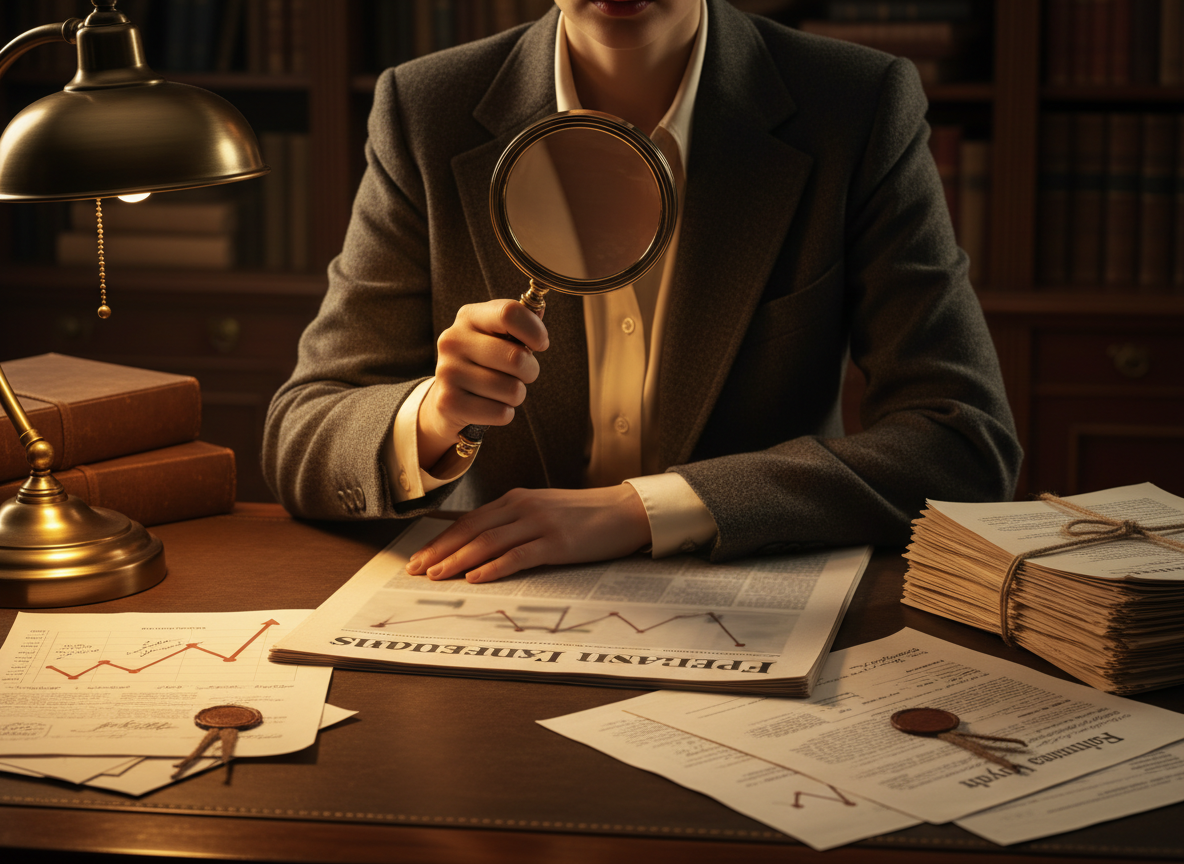
教材說明:本文為原創媒體識讀練習,使用假設性例子,並非 BBC 或 CNN 的當日新聞改寫。三張配圖為 AI 生成的教學示意圖。
發佈留言