
ENGLISH LAB · B2|新聞主題閱讀|約 8–10 分鐘|太陽能、儲能與能源數據
🎧 聆聽學習小提醒|建議使用電腦版 Google Chrome進行朗讀與逐句重播;手機版不建議使用文字反白朗讀。
Today's Goal|學習目標
從新聞資料辨別「發電量」與「裝置容量」的差異,練習原因、限制與讓步的 B2 閱讀推論,並用英文說明能源轉型的實際條件。
Reading|英文新聞主題閱讀
🔊 English Reading|英文朗讀
使用裝置內建語音朗讀;建議電腦版 Chrome。若裝置不支援語音,請使用閱讀模式。
準備就緒
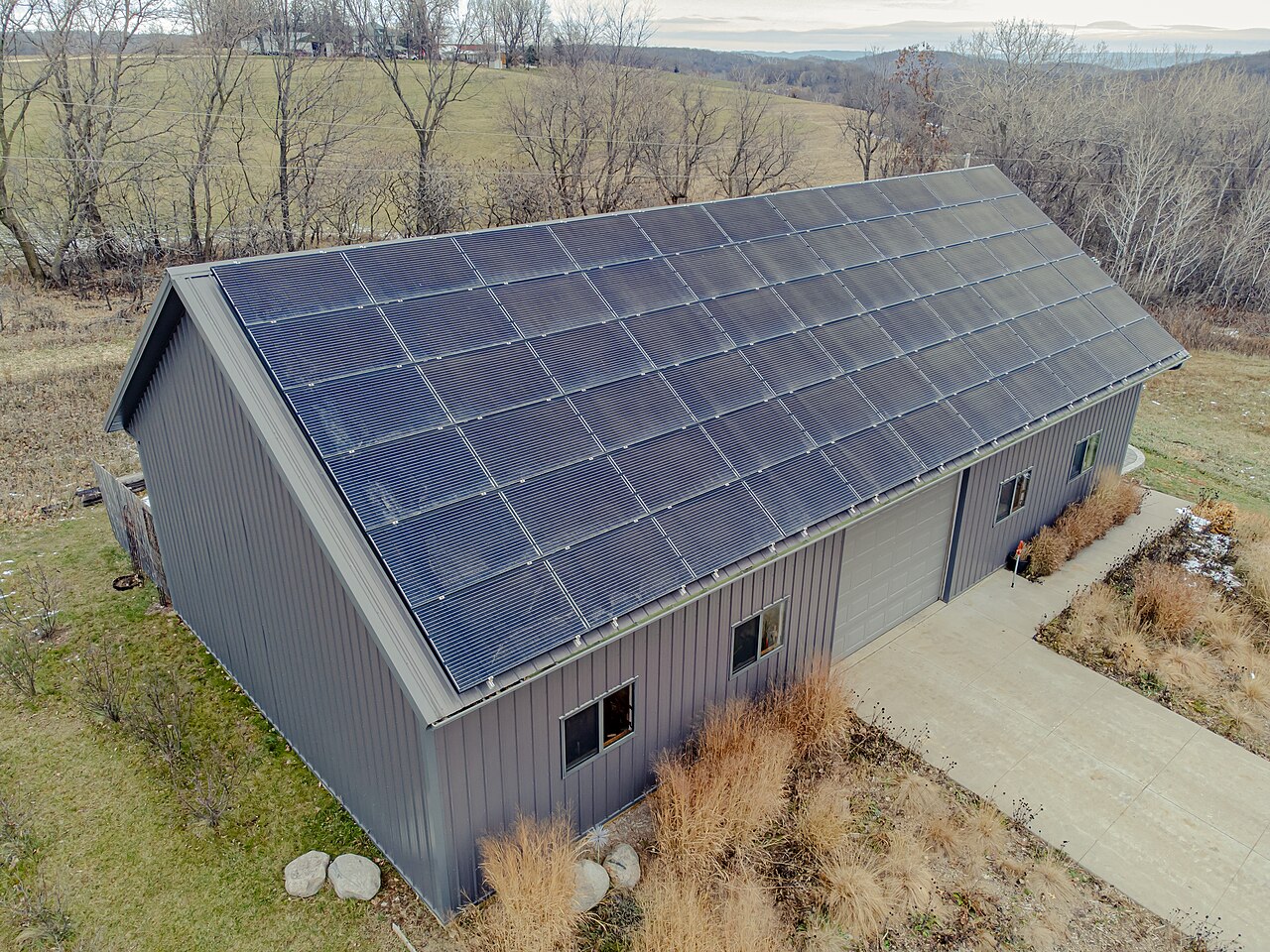
Solar panels are becoming a familiar sight on rooftops, farms and even lakes.
For many years, solar power was considered a small part of the world's electricity supply.
That picture has changed quickly.
In a BBC Future report published on 26 October 2026, journalist Jocelyn Timperley examined why solar energy has grown faster than many experts once expected.
The story offers a useful lesson: a technology can change the world when its price, design and practical uses improve together.
According to figures discussed in the report, solar electricity generation slightly exceeded nuclear generation worldwide in 2025.
Looking at the twelve months ending in September 2026, BBC analysis of data from energy research group Ember found that solar produced about thirteen percent more electricity than nuclear.
These numbers describe electricity generated, not the number of power stations or the amount of equipment installed.
That distinction matters because a power source can have a large capacity but produce less electricity at certain times.
One major reason for solar's growth is falling cost.
Factories now make huge numbers of panels, while manufacturers have improved their efficiency and reduced the materials needed for each unit.
As prices fall, more households and businesses can consider installing solar systems.
A family may choose rooftop panels to reduce part of its electricity bill.
A company may install panels to lower daytime energy costs.
In both cases, the decision depends on local prices, sunlight, regulations and installation expenses.
Solar power is also attractive because it can be installed at different scales.
A small system may serve one building, while a large solar farm can send electricity to the wider grid.
This flexibility is especially useful where electricity supplies are expensive or unreliable.
However, solar is not a complete solution by itself.
Panels generate less electricity at night and during periods of poor sunlight.
A successful energy system must therefore consider when electricity is produced and when people actually need it.
Battery storage can help address part of that problem.
During a sunny afternoon, a battery may store electricity that is not immediately used.
Later, it can supply power when the sun has gone down.
Yet batteries have limits: they cost money, wear out over time and cannot always cover several cloudy days.
The BBC report also notes that stronger electricity networks and better planning remain important.
Storage improves flexibility, but it does not remove the need for a reliable grid.
Another challenge is understanding what the statistics do and do not prove.
If solar produces more electricity than nuclear over a year, that does not mean solar can replace every nuclear plant tomorrow.
Nuclear facilities and solar panels operate in different ways, and electricity demand changes throughout the day.
Governments and energy companies must compare total costs, environmental effects, available land and the reliability of the whole system.
A headline can describe an important trend without answering every practical question.
Solar projects can also create difficult local choices.
A large installation needs space, and nearby residents may worry about farmland, wildlife or the appearance of their neighbourhood.
Some projects place panels on existing roofs; others combine farming with electricity production.
These options can reduce certain conflicts, but each location needs its own assessment.
Asking who benefits, who pays and what happens after the panels reach the end of their useful life leads to a more balanced discussion.
The wider lesson is not that one technology has won a final competition.
It is that energy systems change through many connected decisions.
Lower panel prices encourage installation; more installations create demand for storage and grid improvements; those improvements can make solar power more useful.
For readers, the best response to an exciting energy headline is to check the date, the source and the exact measure being compared.
Understanding those details turns surprising news into useful knowledge.
逐句聆聽練習 展開後點選任一句重聽
中文翻譯顯示方式
屋頂、農田,甚至湖面上,太陽能板正變得越來越常見。過去多年,太陽能常被視為全球電力供應中很小的一部分,但情況已迅速改變。BBC Future 記者 Jocelyn Timperley 在 2026 年 10 月 26 日刊出的報導中,探討太陽能為何比許多專家原先預期成長得更快。這則新聞也帶出一項重要觀察:當價格、設計與實際用途一起改善,一項技術就可能改變世界。
報導引用的數據顯示,2025 年全球太陽能發電量已略微超過核能發電量。以截至 2026 年 9 月的十二個月來看,BBC 分析能源研究機構 Ember 的資料,發現太陽能發電量約比核能高出百分之十三。這些數字比較的是「實際發出的電」,不是電廠數量或設備裝置容量。這個區別很重要,因為一種能源即使裝置容量很大,也可能在某些時段發電較少。
太陽能快速成長的重要原因之一是成本下降。工廠現在能大量生產太陽能板,製造商也改善效率、降低每片面板所需的材料。價格降低後,更多家庭與企業便能考慮安裝太陽能系統。家庭可能希望利用屋頂面板減少部分電費;企業則可能用它降低白天的能源成本。不過,實際決定仍取決於當地電價、日照、法規與安裝費用。
太陽能的另一項吸引力,在於能以不同規模建置。小型系統可以供應單一建築,大型太陽能電廠則能把電力送入公共電網。在電價昂貴或供電不穩定的地方,這種彈性尤其有用。然而,太陽能本身並不是完整解方。夜間或日照不佳時,面板發電會減少。因此,成功的能源系統必須同時考慮電力何時產生,以及人們何時真正需要用電。
電池儲能可以解決其中一部分問題。晴朗的下午,電池可以儲存暫時用不到的電力,等太陽下山後再供電。不過電池也有限制:需要成本、會隨使用時間老化,也未必能應付連續多天的陰天。BBC 報導也指出,更完善的電網與規劃仍然重要。儲能能提高調度彈性,卻無法取代可靠電網的必要性。
另一個挑戰,是理解統計數字能證明什麼、又不能證明什麼。即使太陽能一整年的發電量超過核能,也不代表明天就能取代每一座核電廠。核能設施與太陽能板的運作方式不同,用電需求也會隨一天中的時段變化。政府與能源企業必須比較整體成本、環境影響、可用土地,以及整套系統的可靠性。新聞標題可以指出重要趨勢,卻未必回答所有實務問題。
太陽能計畫也可能帶來地方上的困難選擇。大型設施需要土地,附近居民可能擔心農地、野生動物或社區景觀。有些計畫利用既有屋頂,有些則結合農業與發電。這些方式可以減少部分衝突,但每個地點仍需要個別評估。進一步追問誰受益、誰負擔成本,以及面板使用壽命結束後如何處理,才能形成更平衡的討論。
更大的啟示並不是某項技術已經贏得最後的競賽,而是能源系統會透過許多彼此關聯的決定而改變。面板降價鼓勵安裝;裝置增加帶動儲能與電網改善的需求;這些改善又讓太陽能更實用。對讀者而言,面對令人驚訝的能源新聞,最好的做法是確認日期、來源,以及比較的究竟是哪一項指標。理解這些細節,才能把驚人的新聞轉化為真正有用的知識。
Solar panels are becoming a familiar sight on rooftops, farms and even lakes. For many years, solar power was considered a small part of the world's electricity supply. That picture has changed quickly. In a BBC Future report published on 26 October 2026, journalist Jocelyn Timperley examined why solar energy has grown faster than many experts once expected. The story offers a useful lesson: a technology can change the world when its price, design and practical uses improve together.
According to figures discussed in the report, solar electricity slightly exceeded nuclear generation worldwide in 2025. Looking at the twelve months ending in September 2026, BBC analysis of data from energy research group Ember found that solar produced about thirteen percent more electricity than nuclear. These numbers describe electricity generated, not the number of power stations or the amount of equipment installed. That distinction matters because a power source can have a large but produce less electricity at certain times.
One major reason for solar's growth is falling cost. Factories now make huge numbers of panels, while manufacturers have improved their and reduced the materials needed for each unit. As prices fall, more households and businesses can consider installing solar systems. A family may choose rooftop panels to reduce part of its electricity bill. A company may install panels to lower daytime energy costs. In both cases, the decision depends on local prices, sunlight, regulations and installation expenses.

Solar power is also attractive because it can be installed at different scales. A small system may serve one building, while a large solar farm can send electricity to the wider grid. This flexibility is especially useful where electricity supplies are expensive or . However, solar is not a complete solution by itself. Panels generate less electricity at night and during periods of poor sunlight. A successful energy system must therefore consider when electricity is produced and when people actually need it.
Battery can help address part of that problem. During a sunny afternoon, a battery may store electricity that is not immediately used. Later, it can supply power when the sun has gone down. Yet batteries have limits: they cost money, wear out over time and cannot always cover several cloudy days. The BBC report also notes that stronger electricity networks and better planning remain important. Storage improves flexibility, but it does not remove the need for a reliable grid.

Another challenge is understanding what the statistics do and do not prove. If solar produces more electricity than nuclear over a year, that does not mean solar can replace every nuclear plant tomorrow. Nuclear facilities and solar panels operate in different ways, and electricity demand changes throughout the day. Governments and energy companies must compare total costs, environmental effects, available land and the of the whole system. A headline can describe an important without answering every practical question.
Solar projects can also create difficult local choices. A large installation needs space, and nearby residents may worry about farmland, wildlife or the appearance of their neighbourhood. Some projects place panels on existing roofs; others combine farming with electricity production. These options can reduce certain conflicts, but each location needs its own . Asking who benefits, who pays and what happens after the panels reach the end of their useful life leads to a more balanced discussion.
The wider lesson is not that one technology has won a final competition. It is that energy systems change through many connected decisions. Lower panel prices encourage installation; more installations create demand for storage and grid improvements; those improvements can make solar power more useful. For readers, the best response to an exciting energy headline is to check the date, the source and the exact measure being compared. Understanding those details turns surprising news into useful knowledge.
完整繁體中文翻譯
屋頂、農田,甚至湖面上,太陽能板正變得越來越常見。過去多年,太陽能常被視為全球電力供應中很小的一部分,但情況已迅速改變。BBC Future 記者 Jocelyn Timperley 在 2026 年 10 月 26 日刊出的報導中,探討太陽能為何比許多專家原先預期成長得更快。這則新聞也帶出一項重要觀察:當價格、設計與實際用途一起改善,一項技術就可能改變世界。
報導引用的數據顯示,2025 年全球太陽能發電量已略微超過核能發電量。以截至 2026 年 9 月的十二個月來看,BBC 分析能源研究機構 Ember 的資料,發現太陽能發電量約比核能高出百分之十三。這些數字比較的是「實際發出的電」,不是電廠數量或設備裝置容量。這個區別很重要,因為一種能源即使裝置容量很大,也可能在某些時段發電較少。
太陽能快速成長的重要原因之一是成本下降。工廠現在能大量生產太陽能板,製造商也改善效率、降低每片面板所需的材料。價格降低後,更多家庭與企業便能考慮安裝太陽能系統。家庭可能希望利用屋頂面板減少部分電費;企業則可能用它降低白天的能源成本。不過,實際決定仍取決於當地電價、日照、法規與安裝費用。
太陽能的另一項吸引力,在於能以不同規模建置。小型系統可以供應單一建築,大型太陽能電廠則能把電力送入公共電網。在電價昂貴或供電不穩定的地方,這種彈性尤其有用。然而,太陽能本身並不是完整解方。夜間或日照不佳時,面板發電會減少。因此,成功的能源系統必須同時考慮電力何時產生,以及人們何時真正需要用電。
電池儲能可以解決其中一部分問題。晴朗的下午,電池可以儲存暫時用不到的電力,等太陽下山後再供電。不過電池也有限制:需要成本、會隨使用時間老化,也未必能應付連續多天的陰天。BBC 報導也指出,更完善的電網與規劃仍然重要。儲能能提高調度彈性,卻無法取代可靠電網的必要性。
另一個挑戰,是理解統計數字能證明什麼、又不能證明什麼。即使太陽能一整年的發電量超過核能,也不代表明天就能取代每一座核電廠。核能設施與太陽能板的運作方式不同,用電需求也會隨一天中的時段變化。政府與能源企業必須比較整體成本、環境影響、可用土地,以及整套系統的可靠性。新聞標題可以指出重要趨勢,卻未必回答所有實務問題。
太陽能計畫也可能帶來地方上的困難選擇。大型設施需要土地,附近居民可能擔心農地、野生動物或社區景觀。有些計畫利用既有屋頂,有些則結合農業與發電。這些方式可以減少部分衝突,但每個地點仍需要個別評估。進一步追問誰受益、誰負擔成本,以及面板使用壽命結束後如何處理,才能形成更平衡的討論。
更大的啟示並不是某項技術已經贏得最後的競賽,而是能源系統會透過許多彼此關聯的決定而改變。面板降價鼓勵安裝;裝置增加帶動儲能與電網改善的需求;這些改善又讓太陽能更實用。對讀者而言,面對令人驚訝的能源新聞,最好的做法是確認日期、來源,以及比較的究竟是哪一項指標。理解這些細節,才能把驚人的新聞轉化為真正有用的知識。
Vocabulary|核心詞彙
點選詞彙可嘗試聆聽發音;實際支援依裝置而定。
Solar panels are becoming a familiar sight.
The electricity supply must meet demand.
Solar electricity generation increased.
Installed capacity differs from actual output.
This distinction changes how we read the data.
Better efficiency can lower costs.
Installation costs vary by location.
An unreliable grid can interrupt service.
Battery storage helps move power into the evening.
Not all electricity is used immediately.
Storage adds flexibility to the energy system.
Reliability matters as much as price.
Each site needs its own environmental assessment.
Panels need a plan for the end of their useful life.
One headline may describe a long-term trend.
Language Focus|實用句型
Distinction|區分比較基準: These numbers describe electricity generated, not the amount of equipment installed. 用 not A but B 明確界定統計數字的意義。
Concession|承認限制: Storage improves flexibility, but it does not remove the need for a reliable grid. 先肯定優點,再用 but 說明尚未解決的問題。
Conditional reasoning|條件推論: A technology can change the world when its price, design and practical uses improve together. 用 when 說明成長需要同時具備的條件。
Interactive Quiz|互動理解練習
選擇答案後按「提交答案」查看得分與解析。
Your Turn|延伸練習
請用 100–130 個英文單字回答:If your neighbourhood wanted to install solar panels, what three questions should residents ask first? 請使用 capacity、reliability、assessment 三個詞彙,至少提出一個優點與一個限制。
Sources & Image Credits|新聞來源與圖片授權
新聞事實來源:BBC Future,Jocelyn Timperley,2026 年 10 月 26 日,How solar power is quietly becoming bigger than nuclear。本文為獨立改寫的英文學習教材,並非 BBC 文章翻譯或授權轉載;文中數據請以來源報導及 Ember 原始資料為準。
精選圖片:Wikideas1,CC0 1.0;內文圖一:Saiphani02,CC BY-SA 4.0,未修改;內文圖二:Yan lance,CC0 1.0。圖片為主題示意,非 BBC 新聞現場照片。


發佈留言