
ENGLISH LAB · C1|原創觀點閱讀|約 9–11 分鐘|溝通、信任與批判思考
🎧 聆聽學習小提醒|建議使用電腦版 Google Chrome瀏覽器聆聽與逐句重播;手機版不建議使用文字反白朗讀。若裝置不支援語音,請以閱讀模式學習。
Today's Goal|學習目標
辨識讓步、對比與條件式論證,學習如何區分事實主張與價值判斷,並以 C1 級英文討論不同意見、傾聽與信任。
Reading|原創英文閱讀
🔊 English Reading|英文朗讀
使用裝置內建語音朗讀,可調整速度;建議電腦 Chrome。
準備就緒
Disagreement is often treated as a warning sign in a relationship.
When colleagues challenge a proposal or friends question a deeply held belief, the conversation can feel like a contest in which someone must lose.
Yet the absence of disagreement is not necessarily evidence of trust.
People may remain silent because they fear embarrassment, retaliation, or the exhausting work of explaining themselves.
A healthier question is not whether disagreement can be avoided, but whether people can remain curious and respectful when their conclusions diverge.
Consider a team deciding how to introduce a new service.
One member argues for a rapid launch, while another insists on further testing.
Both may care about the project's success, but they assign different weights to speed and reliability.
If the discussion begins with accusations of recklessness or obstruction, their positions quickly harden.
If it begins by identifying shared goals and different assumptions, the team can examine the actual trade-offs.
The conflict then becomes a problem to investigate rather than a verdict on anyone's character.
This distinction requires intellectual humility.
A confident opinion can be supported by experience and still depend on incomplete information.
Instead of demanding immediate agreement, a participant might ask, "What evidence would change your mind?"
or "Which risk do you think I am underestimating?"
Such questions are useful only when asked sincerely.
A question delivered as a disguised accusation invites defensiveness, whereas a genuine request for clarification can reveal what each person considers important.
Listening is more demanding than waiting politely for a turn to speak.
It involves checking whether the other person's argument has been understood before attempting to refute it.
A simple summary—"You are concerned that the timetable leaves no room for correcting mistakes"—gives the speaker an opportunity to confirm or refine the point.
This does not require endorsing the argument.
It establishes that disagreement is directed at an idea rather than at a caricature of the person expressing it.
Evidence matters, but evidence alone rarely settles every dispute.
Two people can accept the same figures while disagreeing about acceptable risk, fairness, or long-term priorities.
For example, a proposal might reduce costs while placing additional pressure on a small group of workers.
A purely numerical defence may overlook the ethical judgment hidden inside the decision.
Productive discussion therefore separates factual claims, which can be checked, from value judgments, which need to be explained and debated.
Power also shapes what disagreement feels like.
A manager may describe a meeting as an open exchange while employees quietly calculate the consequences of speaking honestly.
Inviting criticism is insufficient if dissent is punished later through exclusion or lost opportunities.
Trust grows when leaders acknowledge uncertainty, respond to objections without humiliation, and explain how feedback influenced a decision.
Even when a suggestion is rejected, a transparent explanation demonstrates that participation was not merely ceremonial.
There are limits to constructive disagreement.
Respect does not oblige someone to tolerate harassment, deliberate deception, or repeated violations of personal boundaries.
Sometimes the responsible choice is to pause a discussion, request independent evidence, or establish clear rules before continuing.
The aim is not endless compromise.
It is to create conditions in which serious differences can be addressed without sacrificing safety, dignity, or the possibility of learning.
Ultimately, trust is not the reward for always reaching consensus.
It is the confidence that disagreement will not automatically destroy a relationship or erase someone's standing in a group.
That confidence develops through ordinary habits: naming assumptions, acknowledging uncertainty, checking interpretations, and following through on promises.
When people learn to disagree without treating one another as enemies, they gain more than a better argument.
They gain a more reliable way to make decisions together.
逐句聆聽練習 展開後點選任一句重聽
中文翻譯顯示方式
分歧常被視為關係中的警訊。當同事質疑提案,或朋友挑戰某個深信不疑的看法時,對話容易變成必須分出輸贏的競賽。然而,沒有分歧不一定代表彼此信任。人們可能因為害怕難堪、遭到報復,或不願耗費心力解釋而選擇沉默。更健康的問題不是如何避免意見不同,而是當結論出現差異時,雙方能否繼續保持好奇與尊重。
想像某個團隊正在決定如何推出新服務。一名成員主張快速上線,另一名則堅持應先增加測試。兩人可能都重視專案成功,只是對速度與可靠性賦予不同權重。如果討論一開始就互相指責魯莽或阻撓,立場很快會僵化;如果先釐清共同目標與不同假設,團隊就能檢視真正的取捨。衝突因此成為值得研究的問題,而不是對某個人人格的判決。
要做到這一點,需要知識上的謙遜。即使意見來自豐富經驗,也可能建立在不完整的資訊上。與其要求對方立刻認同,不如問:「什麼證據會讓你改變想法?」或「你認為我低估了哪個風險?」但這些問題只有在真誠提出時才有幫助。偽裝成提問的指責容易引發防衛;真正想釐清的問題,則能揭示雙方各自重視的事物。
傾聽不只是禮貌地等待自己發言,而是在反駁之前,先確認是否真正理解對方的論點。例如簡單重述:「你擔心時程沒有留下修正錯誤的空間。」就能讓對方確認或調整說法。這並不代表贊同對方,而是確保討論針對真正的想法,而非把對方扭曲成容易攻擊的形象。
證據很重要,但證據本身很少能解決所有爭議。兩個人可能接受同一組數字,卻對可承受的風險、公平性或長期優先事項有不同判斷。例如某項方案可能降低成本,卻把額外壓力轉嫁給少數員工。只用數字辯護,可能忽略決策背後的倫理判斷。因此,有建設性的討論應區分可以查證的事實主張,以及需要說明與辯論的價值判斷。
權力關係也會影響人們對分歧的感受。主管可能把會議稱為開放交流,員工卻默默盤算坦率發言的後果。如果之後會因異議而被排擠或失去機會,單純邀請批評並不足夠。當領導者承認不確定性、回應反對意見時不羞辱他人,並說明回饋如何影響決策,信任才會增長。即使建議未被採納,透明的解釋也能證明參與不是走過場。
建設性分歧也有界線。尊重不代表必須容忍騷擾、刻意欺騙或一再侵犯個人界線。有時負責任的做法,是先暫停討論、要求獨立證據,或訂出明確規則後再繼續。目標不是無止境地妥協,而是創造條件,讓重大差異能在不犧牲安全、尊嚴與學習可能性的情況下被處理。
歸根究柢,信任並不是每次都達成共識的獎賞,而是相信意見不同不會自動摧毀關係,也不會抹去一個人在群體中的地位。這種信心來自日常習慣:說清楚假設、承認不確定性、確認理解是否正確,以及履行承諾。當人們學會不同意見不等於互為敵人,得到的不只是更好的論點,也是一種更可靠的共同決策方式。
Disagreement is often treated as a warning sign in a relationship. When colleagues challenge a proposal or friends question a deeply held belief, the conversation can feel like a contest in which someone must lose. Yet the absence of disagreement is not necessarily evidence of trust. People may remain silent because they fear embarrassment, retaliation, or the exhausting work of explaining themselves. A healthier question is not whether disagreement can be avoided, but whether people can remain curious and respectful when their conclusions diverge.
Consider a team deciding how to introduce a new service. One member argues for a rapid launch, while another insists on further testing. Both may care about the project's success, but they assign different weights to speed and reliability. If the discussion begins with accusations of recklessness or obstruction, their positions quickly harden. If it begins by identifying shared goals and different assumptions, the team can examine the actual trade-offs. The conflict then becomes a problem to investigate rather than a verdict on anyone's character.
This distinction requires intellectual humility. A confident opinion can be supported by experience and still depend on incomplete information. Instead of demanding immediate agreement, a participant might ask, "What evidence would change your mind?" or "Which risk do you think I am underestimating?" Such questions are useful only when asked sincerely. A question delivered as a disguised accusation invites defensiveness, whereas a genuine request for clarification can reveal what each person considers important.
Listening is more demanding than waiting politely for a turn to speak. It involves checking whether the other person's argument has been understood before attempting to refute it. A simple summary—"You are concerned that the timetable leaves no room for correcting mistakes"—gives the speaker an opportunity to confirm or refine the point. This does not require endorsing the argument. It establishes that disagreement is directed at an idea rather than at a caricature of the person expressing it.
Evidence matters, but evidence alone rarely settles every dispute. Two people can accept the same figures while disagreeing about acceptable risk, fairness, or long-term priorities. For example, a proposal might reduce costs while placing additional pressure on a small group of workers. A purely numerical defence may overlook the ethical judgment hidden inside the decision. Productive discussion therefore separates factual claims, which can be checked, from value judgments, which need to be explained and debated.
Power also shapes what disagreement feels like. A manager may describe a meeting as an open exchange while employees quietly calculate the consequences of speaking honestly. Inviting criticism is insufficient if dissent is punished later through exclusion or lost opportunities. Trust grows when leaders acknowledge uncertainty, respond to objections without humiliation, and explain how feedback influenced a decision. Even when a suggestion is rejected, a transparent explanation demonstrates that participation was not merely ceremonial.
There are limits to constructive disagreement. Respect does not oblige someone to tolerate harassment, deliberate deception, or repeated violations of personal boundaries. Sometimes the responsible choice is to pause a discussion, request independent evidence, or establish clear rules before continuing. The aim is not endless compromise. It is to create conditions in which serious differences can be addressed without sacrificing safety, dignity, or the possibility of learning.
Ultimately, trust is not the reward for always reaching consensus. It is the confidence that disagreement will not automatically destroy a relationship or erase someone's standing in a group. That confidence develops through ordinary habits: naming assumptions, acknowledging uncertainty, checking interpretations, and following through on promises. When people learn to disagree without treating one another as enemies, they gain more than a better argument. They gain a more reliable way to make decisions together.

完整繁體中文翻譯
分歧常被視為關係中的警訊。當同事質疑提案,或朋友挑戰某個深信不疑的看法時,對話容易變成必須分出輸贏的競賽。然而,沒有分歧不一定代表彼此信任。人們可能因為害怕難堪、遭到報復,或不願耗費心力解釋而選擇沉默。更健康的問題不是如何避免意見不同,而是當結論出現差異時,雙方能否繼續保持好奇與尊重。
想像某個團隊正在決定如何推出新服務。一名成員主張快速上線,另一名則堅持應先增加測試。兩人可能都重視專案成功,只是對速度與可靠性賦予不同權重。如果討論一開始就互相指責魯莽或阻撓,立場很快會僵化;如果先釐清共同目標與不同假設,團隊就能檢視真正的取捨。衝突因此成為值得研究的問題,而不是對某個人人格的判決。
要做到這一點,需要知識上的謙遜。即使意見來自豐富經驗,也可能建立在不完整的資訊上。與其要求對方立刻認同,不如問:「什麼證據會讓你改變想法?」或「你認為我低估了哪個風險?」但這些問題只有在真誠提出時才有幫助。偽裝成提問的指責容易引發防衛;真正想釐清的問題,則能揭示雙方各自重視的事物。
傾聽不只是禮貌地等待自己發言,而是在反駁之前,先確認是否真正理解對方的論點。例如簡單重述:「你擔心時程沒有留下修正錯誤的空間。」就能讓對方確認或調整說法。這並不代表贊同對方,而是確保討論針對真正的想法,而非把對方扭曲成容易攻擊的形象。
證據很重要,但證據本身很少能解決所有爭議。兩個人可能接受同一組數字,卻對可承受的風險、公平性或長期優先事項有不同判斷。例如某項方案可能降低成本,卻把額外壓力轉嫁給少數員工。只用數字辯護,可能忽略決策背後的倫理判斷。因此,有建設性的討論應區分可以查證的事實主張,以及需要說明與辯論的價值判斷。
權力關係也會影響人們對分歧的感受。主管可能把會議稱為開放交流,員工卻默默盤算坦率發言的後果。如果之後會因異議而被排擠或失去機會,單純邀請批評並不足夠。當領導者承認不確定性、回應反對意見時不羞辱他人,並說明回饋如何影響決策,信任才會增長。即使建議未被採納,透明的解釋也能證明參與不是走過場。
建設性分歧也有界線。尊重不代表必須容忍騷擾、刻意欺騙或一再侵犯個人界線。有時負責任的做法,是先暫停討論、要求獨立證據,或訂出明確規則後再繼續。目標不是無止境地妥協,而是創造條件,讓重大差異能在不犧牲安全、尊嚴與學習可能性的情況下被處理。
歸根究柢,信任並不是每次都達成共識的獎賞,而是相信意見不同不會自動摧毀關係,也不會抹去一個人在群體中的地位。這種信心來自日常習慣:說清楚假設、承認不確定性、確認理解是否正確,以及履行承諾。當人們學會不同意見不等於互為敵人,得到的不只是更好的論點,也是一種更可靠的共同決策方式。

Vocabulary|核心詞彙
點選詞彙嘗試聆聽發音,實際支援依裝置而定。
Their conclusions diverge after reviewing the same report.
Fear of retaliation can silence honest feedback.
State the assumption behind your recommendation.
The team discussed the trade-off between speed and accuracy.
She saw the delay as caution rather than obstruction.
Intellectual humility makes room for new evidence.
Do not underestimate the cost of correcting an error.
A hostile question may trigger defensiveness.
First understand the claim you intend to refute.
The debate attacked a caricature of her position.
Listening carefully does not mean you endorse the proposal.
Fairness involves a value judgment as well as data.
The chair invited dissent before the final vote.
Consultation becomes ceremonial when feedback is ignored.
Consensus is useful, but it should not be forced.
Language Notes|語言觀察
Concession|讓步:「Evidence matters, but evidence alone rarely settles every dispute.」先承認證據重要,再指出證據不能完全處理價值差異。
Contrast|對比:「A question delivered as a disguised accusation … whereas a genuine request …」以 whereas 對照表面提問與真誠提問的效果。
Qualified claim|有限度主張:「The absence of disagreement is not necessarily evidence of trust.」not necessarily 避免把複雜關係簡化為絕對判斷。
Interactive Quiz|互動理解練習
選擇答案後按「提交答案」查看得分與解析。
Your Turn|延伸練習
請以 120–160 個英文單字描述一次真實或假設的工作分歧:先說明雙方共同目標,再分別列出一項事實主張與一項價值判斷,最後提出能降低誤解的具體提問。
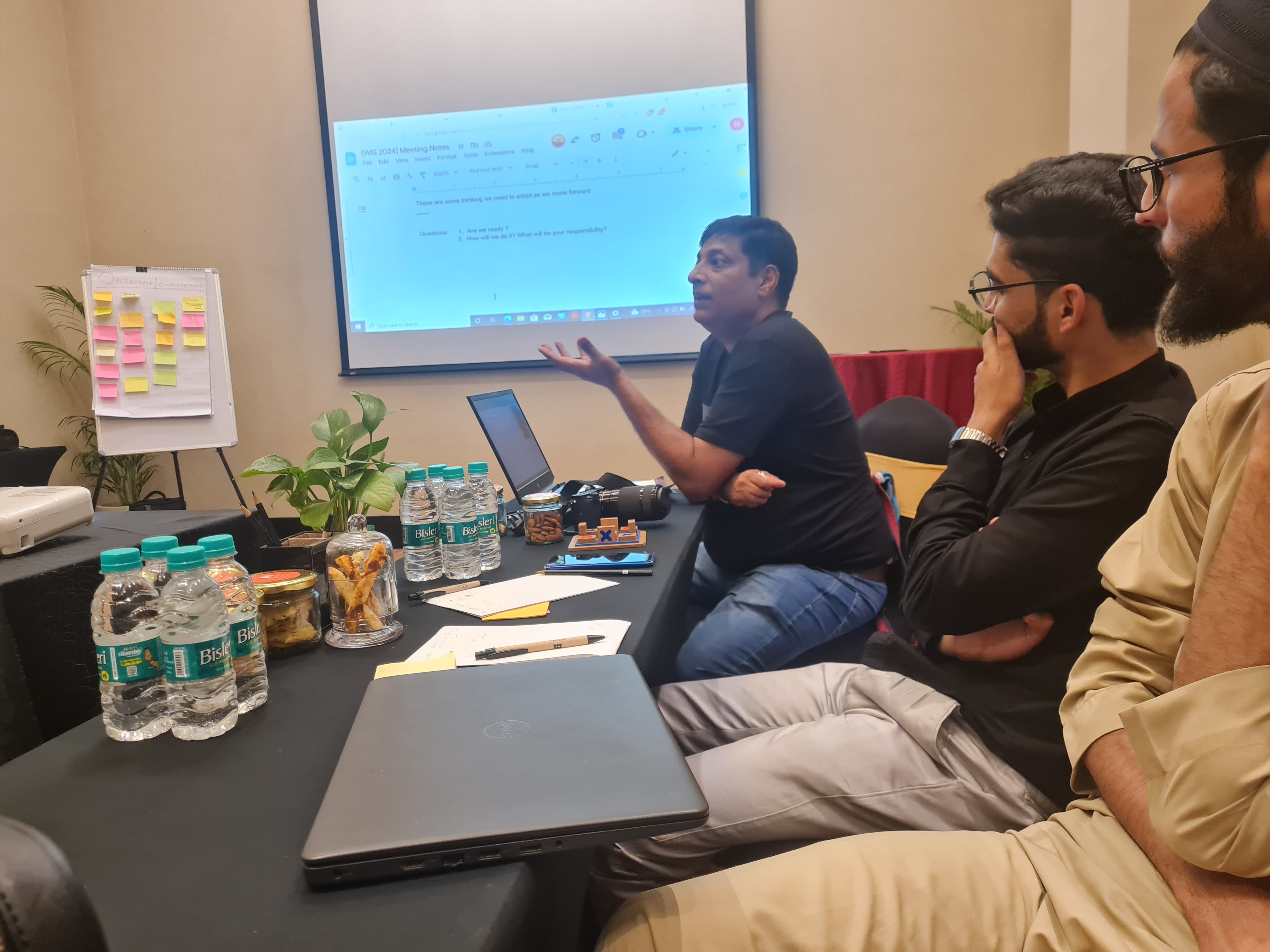
本文為原創觀點閱讀,所述團隊與管理情境均為假設示例,未引用特定事件或未查證統計。圖片為情境示意,不代表文中人物或團隊。
發佈留言