
ENGLISH LAB · B2|閱讀約 7 分鐘|海洋保育與社會參與
🎧 聆聽學習小提醒|建議使用電腦版 Google Chrome聆聽與練習。手機版目前不建議使用反白文字朗讀。
Today's Goal|學習目標
練習辨認新聞公告與已發生事實的差異,並用 prevention、cooperation、evidence 等詞彙討論海洋保育與可衡量的行動。
Reading|英文閱讀
🔊 English Reading|英文朗讀
使用裝置內建語音;可調整語速。手機版請避免反白朗讀。
準備就緒
When people think about protecting the ocean, they often picture a dramatic rescue or a beach covered in rubbish.
Those scenes can be powerful, but ocean protection also depends on ordinary decisions made far from the coast.
A bottle bought in a city, a meal chosen in a restaurant and the way a community manages waste can all be connected to the sea.
Understanding those connections is the first step towards meaningful action.
CNN announced that its 2026 Call to Earth Day would focus on the ocean under the theme “Think Blue”.
The announcement was published on 25 September and updated on 2 October, when the event date changed to 3 December 2026.
CNN described plans for schools, communities and conservation groups to explore issues such as plastic waste, coral reefs and water protection.
This is an announcement about a planned event, not evidence that its activities have already taken place.
An international campaign can bring attention to a problem, but attention alone does not solve it.
A person might join a beach cleanup, share a photograph and feel proud of helping.
That effort matters: removing litter can protect animals and make a public space safer.
However, if new rubbish arrives every week, the same beach may soon look exactly as it did before.
The bigger question is how to prevent waste from reaching the water in the first place.
Prevention requires cooperation between individuals, businesses and local authorities.
People can carry reusable bottles and dispose of rubbish correctly.
Shops can reduce unnecessary packaging, while cities can improve collection systems and keep drains clear.
These actions work at different points in the same process.
No single choice can fix the entire problem, yet several practical changes can reduce the amount of waste that escapes into rivers and eventually reaches the sea.
Ocean health involves more than visible plastic.
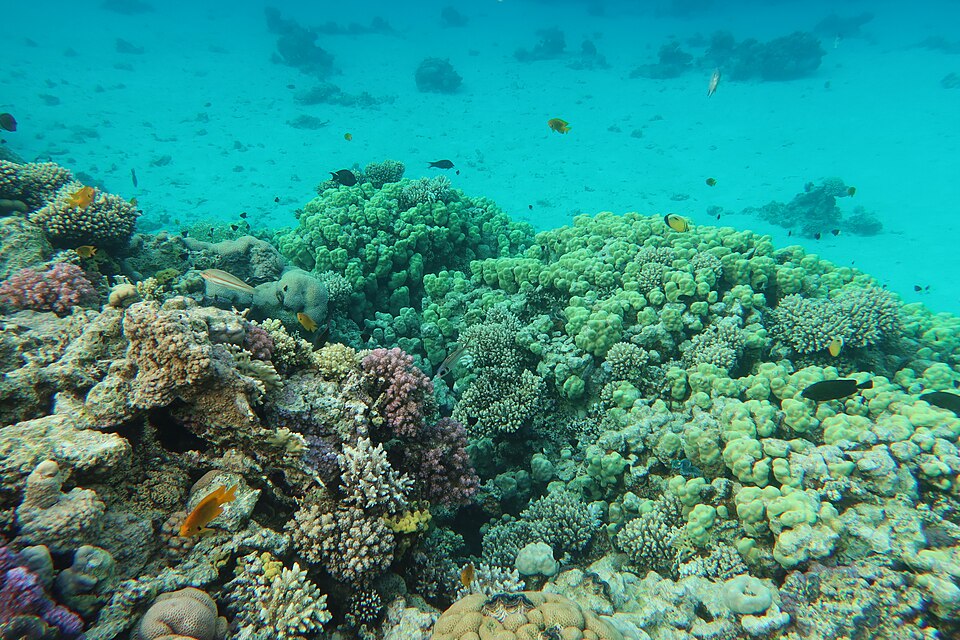
Coral reefs provide shelter for many marine species, but they are vulnerable to warming water and other pressures.
Mangrove forests along some coasts offer important habitats and can help protect shorelines.
A cleanup cannot directly reverse rising temperatures, just as planting trees cannot replace every other form of conservation.
Effective plans need to identify the specific threat, choose a suitable response and measure whether conditions improve.
Schools have a useful role because they can turn concern into learning.
Students might examine the waste produced by their classroom during one week, then test whether a refill station or clearer recycling signs make a difference.
They should record what they measure before and after the change, rather than simply assume that a good idea must work.
Sharing the results with others also helps a small project become a useful conversation about evidence and responsibility.
The lesson of “Think Blue” is therefore larger than a single event.
Public campaigns can encourage people to begin, but lasting progress depends on habits, reliable information and cooperation over time.
Before joining an environmental activity, ask three questions: What problem does it address?
How will success be measured?
What happens after the event ends?
These questions turn a short moment of enthusiasm into a more thoughtful commitment to the ocean.
逐句聆聽練習 展開後點選任一句重聽
中文翻譯顯示方式
想到保護海洋時,許多人會聯想到驚險的動物救援,或布滿垃圾的海灘。這些畫面很有力量,但海洋保護也取決於遠離海岸的日常決定。城市裡買的一瓶飲料、餐廳裡選的一道菜,以及社區處理廢棄物的方式,都可能與海洋有關。理解這些連結,是採取有效行動的第一步。
CNN 宣布,2026 年的「Call to Earth Day」將以海洋為焦點,主題為「Think Blue」。公告於 9 月 25 日發布,並在 10 月 2 日更新,將活動日期改為 2026 年 12 月 3 日。CNN 說明,計畫邀請學校、社區及保育團體探討塑膠垃圾、珊瑚礁與水資源保護等議題。這是尚待舉行的活動公告,不能視為活動已經完成的證據。
國際倡議能吸引大眾關注,但關注本身並不會解決問題。有人可能參加淨灘、分享照片,並因幫上忙而感到自豪。這樣的努力確實有價值:清除垃圾可以保護動物,並讓公共空間更安全。不過,如果每週都有新垃圾進入環境,海灘可能很快又回到原狀。更重要的問題,是如何從源頭阻止垃圾流入水域。
預防需要個人、企業與地方政府合作。人們可以攜帶可重複使用的水瓶,並正確處理垃圾;商店可以減少不必要的包裝;城市則可以改善垃圾收集系統,保持排水溝暢通。這些措施作用於同一流程的不同環節。沒有單一選擇能解決全部問題,但多種實際改變可以減少垃圾進入河川,最後流入海洋的數量。
海洋健康不只涉及看得見的塑膠。珊瑚礁為許多海洋生物提供棲息地,卻容易受到海水升溫及其他壓力影響。某些海岸的紅樹林提供重要棲地,也有助於保護海岸線。淨灘無法直接逆轉氣溫上升,就像植樹也無法取代所有其他保育方式。有效的計畫必須辨識具體威脅、選擇合適對策,並衡量環境是否真的改善。
學校可以發揮重要作用,因為學校能把關心轉化成學習。學生可以先統計一週內教室產生的垃圾,再測試飲水補充站或更清楚的回收標示是否有效。他們應記錄改變前後的測量結果,而不是直接假設好點子一定有用。分享結果也能讓小型專案成為討論證據與責任的起點。
因此,「Think Blue」的啟示不只是一場活動。公共倡議可以鼓勵人們開始行動,但長期進步仰賴持續的習慣、可靠資訊與合作。參加環境活動前,可以先問三個問題:它要解決什麼問題?如何衡量成效?活動結束後又會發生什麼?這些問題能把短暫的熱情轉化成更深思熟慮的海洋承諾。
When people think about protecting the ocean, they often picture a dramatic rescue or a beach covered in rubbish. Those scenes can be powerful, but ocean protection also depends on ordinary decisions made far from the coast. A bottle bought in a city, a meal chosen in a restaurant and the way a community manages waste can all be connected to the sea. Understanding those connections is the first step towards meaningful action.
CNN announced that its 2026 Call to Earth Day would focus on the ocean under the theme “Think Blue”. The announcement was published on 25 September and updated on 2 October, when the event date changed to 3 December 2026. CNN described plans for schools, communities and conservation groups to explore issues such as plastic waste, coral reefs and water protection. This is an announcement about a planned event, not evidence that its activities have already taken place.
An international campaign can bring attention to a problem, but attention alone does not solve it. A person might join a beach cleanup, share a photograph and feel proud of helping. That effort matters: removing litter can protect animals and make a public space safer. However, if new rubbish arrives every week, the same beach may soon look exactly as it did before. The bigger question is how to prevent waste from reaching the water in the first place.

Prevention requires cooperation between individuals, businesses and local authorities. People can carry reusable bottles and dispose of rubbish correctly. Shops can reduce unnecessary packaging, while cities can improve collection systems and keep drains clear. These actions work at different points in the same process. No single choice can fix the entire problem, yet several practical changes can reduce the amount of waste that escapes into rivers and eventually reaches the sea.
Ocean health involves more than visible plastic. Coral reefs provide shelter for many marine species, but they are vulnerable to warming water and other pressures. Mangrove forests along some coasts offer important habitats and can help protect shorelines. A cleanup cannot directly reverse rising temperatures, just as planting trees cannot replace every other form of conservation. Effective plans need to identify the specific threat, choose a suitable response and measure whether conditions improve.

Schools have a useful role because they can turn concern into learning. Students might examine the waste produced by their classroom during one week, then test whether a refill station or clearer recycling signs make a difference. They should record what they measure before and after the change, rather than simply assume that a good idea must work. Sharing the results with others also helps a small project become a useful conversation about evidence and responsibility.
The lesson of “Think Blue” is therefore larger than a single event. Public campaigns can encourage people to begin, but lasting progress depends on habits, reliable information and cooperation over time. Before joining an environmental activity, ask three questions: What problem does it address? How will success be measured? What happens after the event ends? These questions turn a short moment of enthusiasm into a more thoughtful commitment to the ocean.
Full Traditional Chinese Translation|完整繁體中文翻譯
完整繁體中文翻譯
想到保護海洋時,許多人會聯想到驚險的動物救援,或布滿垃圾的海灘。這些畫面很有力量,但海洋保護也取決於遠離海岸的日常決定。城市裡買的一瓶飲料、餐廳裡選的一道菜,以及社區處理廢棄物的方式,都可能與海洋有關。理解這些連結,是採取有效行動的第一步。
CNN 宣布,2026 年的「Call to Earth Day」將以海洋為焦點,主題為「Think Blue」。公告於 9 月 25 日發布,並在 10 月 2 日更新,將活動日期改為 2026 年 12 月 3 日。CNN 說明,計畫邀請學校、社區及保育團體探討塑膠垃圾、珊瑚礁與水資源保護等議題。這是尚待舉行的活動公告,不能視為活動已經完成的證據。
國際倡議能吸引大眾關注,但關注本身並不會解決問題。有人可能參加淨灘、分享照片,並因幫上忙而感到自豪。這樣的努力確實有價值:清除垃圾可以保護動物,並讓公共空間更安全。不過,如果每週都有新垃圾進入環境,海灘可能很快又回到原狀。更重要的問題,是如何從源頭阻止垃圾流入水域。
預防需要個人、企業與地方政府合作。人們可以攜帶可重複使用的水瓶,並正確處理垃圾;商店可以減少不必要的包裝;城市則可以改善垃圾收集系統,保持排水溝暢通。這些措施作用於同一流程的不同環節。沒有單一選擇能解決全部問題,但多種實際改變可以減少垃圾進入河川,最後流入海洋的數量。
海洋健康不只涉及看得見的塑膠。珊瑚礁為許多海洋生物提供棲息地,卻容易受到海水升溫及其他壓力影響。某些海岸的紅樹林提供重要棲地,也有助於保護海岸線。淨灘無法直接逆轉氣溫上升,就像植樹也無法取代所有其他保育方式。有效的計畫必須辨識具體威脅、選擇合適對策,並衡量環境是否真的改善。
學校可以發揮重要作用,因為學校能把關心轉化成學習。學生可以先統計一週內教室產生的垃圾,再測試飲水補充站或更清楚的回收標示是否有效。他們應記錄改變前後的測量結果,而不是直接假設好點子一定有用。分享結果也能讓小型專案成為討論證據與責任的起點。
因此,「Think Blue」的啟示不只是一場活動。公共倡議可以鼓勵人們開始行動,但長期進步仰賴持續的習慣、可靠資訊與合作。參加環境活動前,可以先問三個問題:它要解決什麼問題?如何衡量成效?活動結束後又會發生什麼?這些問題能把短暫的熱情轉化成更深思熟慮的海洋承諾。
Vocabulary|核心詞彙
點選詞彙旁的按鈕聆聽發音。
Language Focus|句型與文法
not just ... but also ...:用來說明兩件同樣重要的事。例如:Ocean protection is not just about clean beaches but also about healthy habitats.
rather than + V-ing:表示「而不是……」。例如:Measure the results rather than assuming the plan works.
if + 現在式,may/can + 原形動詞:用於描述可能發生的結果。例如:If new rubbish arrives every week, the beach may soon look dirty again.
Interactive Quiz|互動理解練習
選擇答案後按「提交答案」查看得分與解析。
Your Turn|輸出練習
請用 100–130 個英文單字提出一個可在學校或社區實施的環境改善計畫。說明問題、預防方法、測量指標及後續維持方式,並使用 prevention、evidence、cooperation 三個詞。
Sources|新聞與圖片來源
新聞依據:CNN Press Room,2026-09-25 發布、2026-10-02 更新,“Think Blue” for Call to Earth Day 2026。活動更新日期為 2026-12-03。本文為原創英文教材,非原報導翻譯;涉及環境教育的延伸建議屬教學分析。
圖片來源:封面珊瑚礁(74papa,CC0 1.0);內文紅樹林(Syced,CC0 1.0);內文白化珊瑚(Danielle.ihde,CC0 1.0)。三張皆為主題示意,非 CNN 報導或活動照片。


發佈留言