
ENGLISH LAB · B2|閱讀約 8–10 分鐘|教育與科技|新聞啟發的原創英文閱讀
🎧 聆聽小提醒|建議使用電腦版 Google Chrome 瀏覽器。手機版不建議使用反白選字朗讀;語音實際效果依裝置及網站共用播放器支援而定。
Today's Goal|學習目標
讀懂新聞報導中的立場、比較與讓步,區分已報導的事實與觀點,並練習表達科技與紙筆學習的平衡。
Reading|新聞啟發的英文閱讀
🔊 English Reading|英文朗讀
使用裝置內建語音朗讀,可調整速度;首次播放前請確認音量。
準備就緒
On 23 October 2026, BBC News reported that councillors in the Scottish Highlands had asked local education leaders to review how digital devices are used in schools.
The area has provided laptops to many older pupils, while younger children share devices in classrooms.
The councillors did not say that computers have no place in education.
Instead, they wanted to know whether screens were supporting teachers or replacing activities that help children think, discuss and practise.
The debate reflects a question faced by schools around the world: when does a helpful tool become a distraction?
A laptop can give a student access to information in seconds.
It can also make it tempting to switch between a lesson, a game and a message.
The device itself does not decide what happens.
The learning task, the teacher's guidance and the student's habits all influence the result.
Supporters of educational technology point to several advantages.
Digital materials can be updated quickly, and students may receive immediate feedback on exercises.
Some pupils benefit from accessibility tools, such as text-to-speech or adjustable text sizes.
Online resources can also help schools share materials with families.
These benefits matter, especially when a learner needs support that a printed page cannot easily provide.
However, critics worry about excessive screen time and the loss of other valuable skills.
Writing notes by hand, reading a printed book and explaining an idea to a classmate can encourage different kinds of attention.
These activities are not automatically better in every situation, but they should not disappear simply because a device is available.
It is important to distinguish concerns raised by parents or professionals from scientific conclusions that have been firmly established.
A balanced classroom might use tablets for research and paper for reflection.
After watching a short video, students could close their screens and write down three ideas they remember.
They might then compare their answers in pairs before checking the original material.
This approach uses technology to provide information but relies on discussion and recall to turn that information into understanding.
The goal is to choose a method because it helps learning, not because it looks modern.
Schools also need to listen to the people who use these tools every day.
Teachers can explain which activities work well, students can describe where they lose focus, and families can raise questions about homework and screen habits.
A review should consider these different perspectives rather than assume that one rule will suit every age group or subject.
Clear expectations and regular evaluation may be more useful than a simple choice between laptops and notebooks.
The Highland debate is a reminder that education is about more than access to devices.
Good teaching helps students ask questions, practise difficult ideas and learn from mistakes.
Technology can strengthen that process, but it cannot replace the human relationships and thoughtful activities that make learning meaningful.
The most useful question is not whether schools should be digital or traditional.
It is how each tool can serve a clear educational purpose.
逐句聆聽練習 展開後點選任一句重聽
中文翻譯顯示方式
2026 年 10 月 23 日,BBC News 報導,蘇格蘭高地地區的地方議員要求教育主管機關重新檢視學校如何使用數位設備。當地已為許多高年級學生提供筆電,而年紀較小的孩子則在教室共用設備。議員並不是認為電腦在教育中毫無用處,而是希望釐清:螢幕究竟是在協助教師,還是取代那些能幫助孩子思考、討論與練習的活動。
這場討論反映出世界各地學校共同面對的問題:有用的工具何時會變成分心的來源?筆電能讓學生在幾秒鐘內取得資訊,卻也可能讓人忍不住在課程、遊戲與訊息之間切換。設備本身不會決定結果;學習任務、教師引導以及學生的使用習慣都會影響學習成效。
支持教育科技的人指出幾項優點。數位教材可以快速更新,學生也可能立即獲得練習回饋。有些學生受惠於文字轉語音、可調整字體大小等無障礙工具。線上資源還能幫助學校與家庭分享教材。這些好處很重要,尤其當學習者需要紙本教材不容易提供的支援時。
然而,批評者擔心螢幕使用時間過長,以及其他重要技能逐漸流失。手寫筆記、閱讀紙本書籍、向同學解釋想法,都能促進不同形式的專注。這些活動並非在每種情況下都一定更好,但不該只因設備存在就被取消。區分家長或專業人士提出的疑慮,以及已被充分確立的科學結論,也很重要。
取得平衡的教室可能用平板查資料,再用紙筆整理思考。看完一段短片後,學生可以關上螢幕,寫下記得的三個觀點;接著兩人一組比較答案,再回頭核對原始教材。這種做法用科技提供資訊,卻依靠討論與回憶把資訊轉化成理解。重點是因為方法有助學習而選用,而不是因為它看起來很新潮。
學校也需要傾聽每天使用這些工具的人。教師可以說明哪些活動有效,學生可以描述自己何時容易分心,家庭則能提出對作業與螢幕習慣的疑問。檢討應納入不同觀點,而不是假設單一規則適用於所有年齡或科目。明確的使用期待與定期評估,可能比在筆電和筆記本之間二選一更有幫助。
蘇格蘭高地的討論提醒我們,教育不只是取得設備。好的教學能幫助學生提問、練習困難概念並從錯誤中學習。科技可以強化這個過程,卻不能取代讓學習有意義的人際關係與深思熟慮的活動。最有用的問題不是學校該數位化還是傳統化,而是每種工具如何服務清楚的教育目的。
On 23 October 2026, BBC News reported that councillors in the Scottish Highlands had asked local education leaders to review how digital devices are used in schools. The area has provided laptops to many older pupils, while younger children share devices in classrooms. The councillors did not say that computers have no place in education. Instead, they wanted to know whether screens were supporting teachers or replacing activities that help children think, discuss and practise.
The debate reflects a question faced by schools around the world: when does a helpful tool become a ? A laptop can give a student access to information in seconds. It can also make it tempting to switch between a lesson, a game and a message. The device itself does not decide what happens. The learning task, the teacher's guidance and the student's habits all influence the result.
Supporters of educational technology point to several advantages. Digital materials can be updated quickly, and students may receive immediate feedback on exercises. Some pupils benefit from tools, such as text-to-speech or adjustable text sizes. Online resources can also help schools share materials with families. These benefits matter, especially when a learner needs support that a printed page cannot easily provide.

However, critics worry about excessive screen time and the loss of other valuable skills. Writing notes by hand, reading a printed book and explaining an idea to a classmate can encourage different kinds of attention. These activities are not automatically better in every situation, but they should not disappear simply because a device is available. It is important to distinguish concerns raised by parents or professionals from scientific conclusions that have been firmly established.
A balanced classroom might use tablets for research and paper for . After watching a short video, students could close their screens and write down three ideas they remember. They might then compare their answers in pairs before checking the original material. This approach uses technology to provide information but relies on discussion and recall to turn that information into understanding. The goal is to choose a method because it helps learning, not because it looks modern.
Schools also need to listen to the people who use these tools every day. Teachers can explain which activities work well, students can describe where they lose focus, and families can raise questions about homework and screen habits. A review should consider these different rather than assume that one rule will suit every age group or subject. Clear expectations and regular evaluation may be more useful than a simple choice between laptops and notebooks.
The Highland debate is a reminder that education is about more than access to devices. Good teaching helps students ask questions, practise difficult ideas and learn from mistakes. Technology can strengthen that process, but it cannot replace the human relationships and thoughtful activities that make learning meaningful. The most useful question is not whether schools should be digital or traditional. It is how each tool can serve a clear educational purpose.
完整繁體中文翻譯
2026 年 10 月 23 日,BBC News 報導,蘇格蘭高地地區的地方議員要求教育主管機關重新檢視學校如何使用數位設備。當地已為許多高年級學生提供筆電,而年紀較小的孩子則在教室共用設備。議員並不是認為電腦在教育中毫無用處,而是希望釐清:螢幕究竟是在協助教師,還是取代那些能幫助孩子思考、討論與練習的活動。
這場討論反映出世界各地學校共同面對的問題:有用的工具何時會變成分心的來源?筆電能讓學生在幾秒鐘內取得資訊,卻也可能讓人忍不住在課程、遊戲與訊息之間切換。設備本身不會決定結果;學習任務、教師引導以及學生的使用習慣都會影響學習成效。
支持教育科技的人指出幾項優點。數位教材可以快速更新,學生也可能立即獲得練習回饋。有些學生受惠於文字轉語音、可調整字體大小等無障礙工具。線上資源還能幫助學校與家庭分享教材。這些好處很重要,尤其當學習者需要紙本教材不容易提供的支援時。
然而,批評者擔心螢幕使用時間過長,以及其他重要技能逐漸流失。手寫筆記、閱讀紙本書籍、向同學解釋想法,都能促進不同形式的專注。這些活動並非在每種情況下都一定更好,但不該只因設備存在就被取消。區分家長或專業人士提出的疑慮,以及已被充分確立的科學結論,也很重要。
取得平衡的教室可能用平板查資料,再用紙筆整理思考。看完一段短片後,學生可以關上螢幕,寫下記得的三個觀點;接著兩人一組比較答案,再回頭核對原始教材。這種做法用科技提供資訊,卻依靠討論與回憶把資訊轉化成理解。重點是因為方法有助學習而選用,而不是因為它看起來很新潮。
學校也需要傾聽每天使用這些工具的人。教師可以說明哪些活動有效,學生可以描述自己何時容易分心,家庭則能提出對作業與螢幕習慣的疑問。檢討應納入不同觀點,而不是假設單一規則適用於所有年齡或科目。明確的使用期待與定期評估,可能比在筆電和筆記本之間二選一更有幫助。
蘇格蘭高地的討論提醒我們,教育不只是取得設備。好的教學能幫助學生提問、練習困難概念並從錯誤中學習。科技可以強化這個過程,卻不能取代讓學習有意義的人際關係與深思熟慮的活動。最有用的問題不是學校該數位化還是傳統化,而是每種工具如何服務清楚的教育目的。

Vocabulary|核心詞彙
點選單字即可嘗試聆聽發音;實際語音支援依裝置而定。
Local councillors asked for a review.
Schools should review their rules regularly.
Digital devices can support lessons.
A screen should not replace every discussion.
Messages can become a distraction.
Clear guidance helps students focus.
Accessibility tools help more learners participate.
Practice apps can offer immediate feedback.
Excessive screen time worries some parents.
We must distinguish opinions from evidence.
A notebook leaves time for reflection.
Recall helps students check their understanding.
A fair review includes different perspectives.
Every tool should serve a clear educational purpose.
Language Focus|實用句型
Instead, they wanted to know whether ... 用 instead 引入不同的重點,whether 表示「是否」。
However, critics worry about ... 用 however 轉折,呈現另一方的觀點。
not because it looks modern 用 not because ... but because ... 比較理由,說明真正的判斷依據。
Interactive Quiz|互動理解練習
選擇答案後按「提交答案」查看得分與解析。
Your Turn|輸出練習
用英文寫 80–100 字:你認為哪些課堂活動適合使用數位設備?哪些更適合紙筆或面對面討論?至少使用 however、instead 和 educational purpose 各一次。
Sources|新聞與圖片來源
新聞啟發來源:BBC News,2026-10-23,Councillors warn against devices replacing teaching in schools。本課英文文章與問題均為獨立改寫的原創教材,並非 BBC 原文翻譯;議員觀點不代表已確立的科學結論。
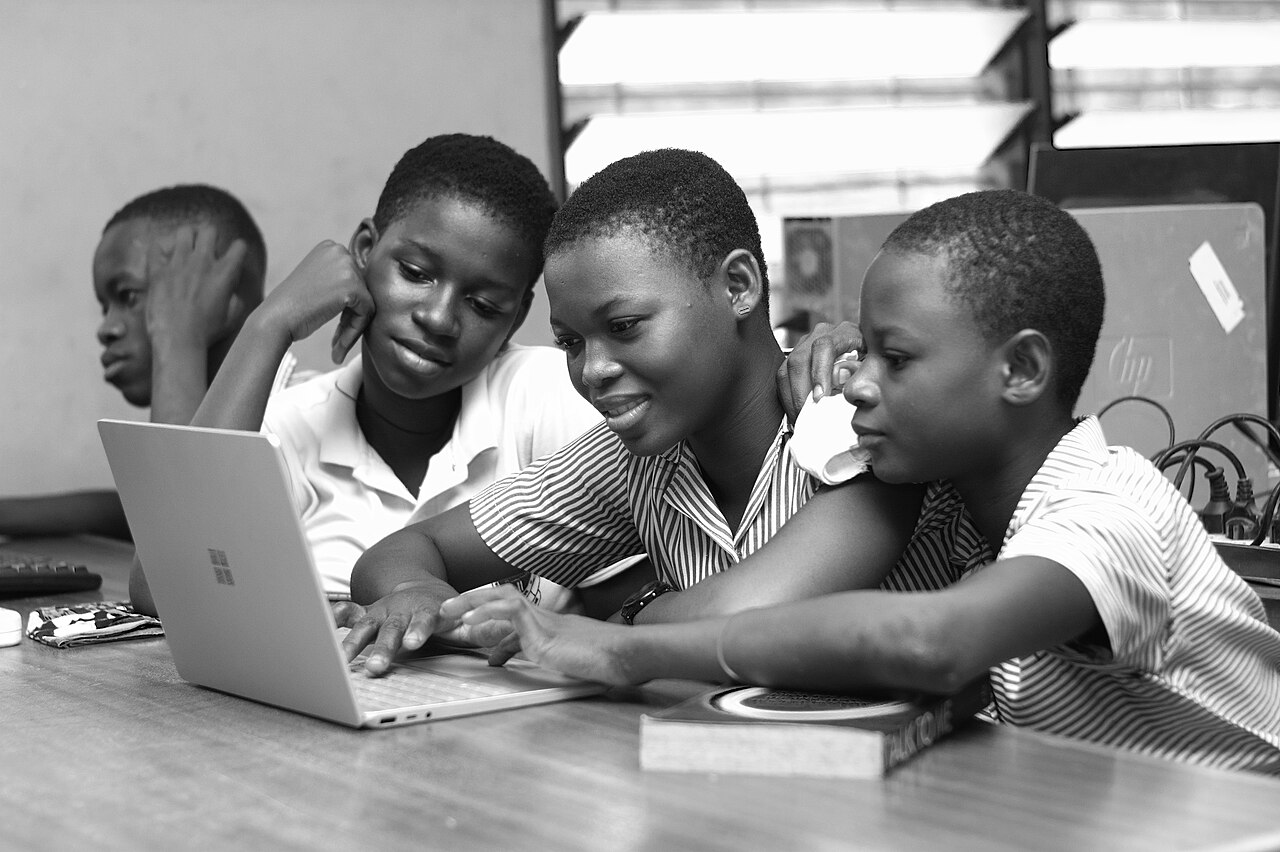
圖片來源:學生使用筆電、黑板書寫(Kwameghana/Bright Kwame Ayisi);文具(TheUltimateGrass),皆採 CC0 1.0。


發佈留言